Alaska Federal Lands Now Allow Baiting of Bears With Human Food
A new interior department rule takes effect in November, reversing a recent ban and permitting hunters to use attractive foods to lure bears on public land.
By Aiko Yamamoto ·
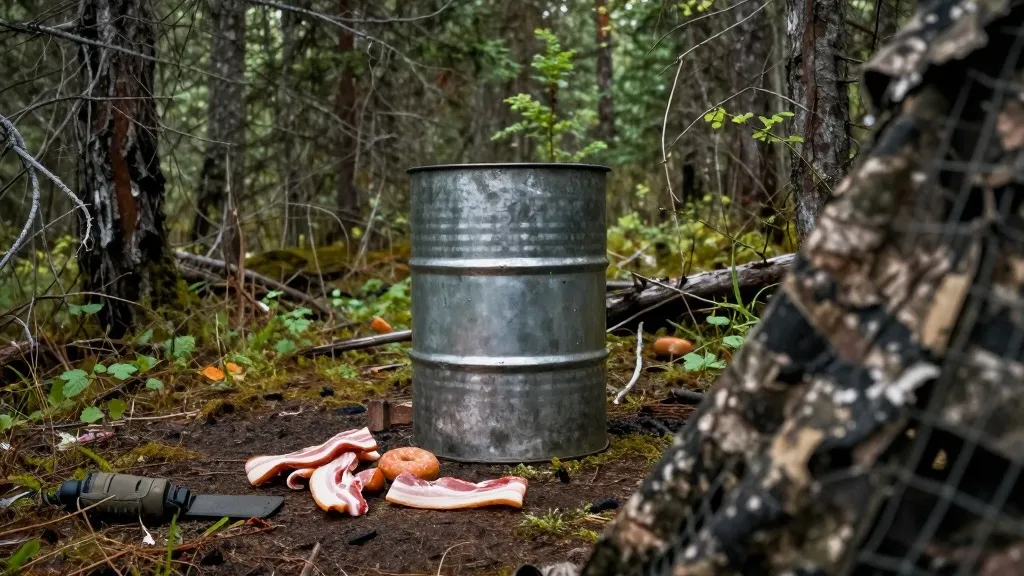
The United States Department of the Interior has finalized a new regulation that permits hunters on Alaska’s federal lands to use human food to attract bears. The rule, which was published in the federal register on Friday, officially takes effect in mid-November. It allows the use of items such as bacon, doughnuts, and meat scraps to lure bears, a practice primarily utilized by those seeking to harvest trophy animals at close range. This shift replaces a 2024 rule from the Biden administration that had previously prohibited the practice.
Interior Secretary Doug Burgum defended the measure in a press release, stating that it responds to the specific demands of Alaska residents. He characterized the new standard as a commonsense framework designed to give Alaskans a stronger voice in decisions regarding the lands, wildlife, and traditions they know best. However, the department did not specify which foods are allowed in the federal rule. Instead, the regulation defers to state regulations, which currently permit baiting, leaving the specific choices to the hunters and local laws.
Nicholas Arrivo, a managing attorney at Animal Protection Law, explained the typical mechanics of the method. He noted that hunters generally select the cheapest and most effective food options, which are typically high in fat and sugar. The standard procedure involves placing the food in a steel drum or garbage can, keeping watch over the area, and then shooting the bear at a short range from a nearby blind. Arrivo argued that this approach is anathema to the federal land management goals of preserving wildlife diversity, noting that Congress created the federal land program to place decision-making power with the federal government, not the state.
Opponents of the change have raised significant concerns about the long-term behavioral impact on the bear population. They warn that the availability of human food will make bears more aggressive around people, thereby endangering park visitors and the public. Drew Robertson, a senior regulatory specialist for Humane World for Animals, expressed that his group was dismayed to see the rule return. He described the baiting provision as cruel and dangerous, not only to the wildlife but also to the people who share the space with them.
Environmental groups have been critical of the reversal, with some calling the new measure indefensible and inexcusable. Robertson further argued that because the rule stems from an executive order titled Unleashing Alaska's Extraordinary Resource Potential, which directed the rule to be reissued, the move points to a political motive rather than careful scientific consideration. He described the practice as a more extreme form of hunting than traditional methods, suggesting that many hunters would not view it as a fair chase.
The issue has a complex history involving multiple administrations. Barack Obama’s administration first imposed a ban on the practice, but the first Trump administration reversed it. Subsequent litigation upheld the Obama rule and overturned the first Trump rule. The Biden administration then reinstated the ban in 2024, largely because scientific evidence indicates that baiting makes bears more aggressive and poses risks to visitors.
This new rule is part of a broader pattern of recent moves by Alaska and federal officials to permit contested hunting methods. These other measures include shooting bears from helicopters, shooting swimming caribou from motorboats, killing wolf pups in their dens, and using artificial lights to draw bears out of dens. While bear baiting itself is not unusual, as about a dozen states allow similar practices, a larger number of states do not.
Legal challenges may be forthcoming, although no decision has been made on a lawsuit yet. Arrivo suggested that scrapping the 2024 rule, which went through a more robust scientific process, raises questions about the legality of the new measure. He stated that the process does not smell right, given the shift from a scientifically driven ban to a rule based on executive direction and state deference. The change is set to impact hunting traditions on federal lands starting next month.
Source: The Guardian
More Business · World news · Consumer Watch · Report a business