SpaceX Starship May Need 22 Launches for Lunar Mission
A new internal estimate suggests the Artemis program may require significantly more propellant transport flights than previously thought, raising questions about the timeline for returning humans to the Moon.
By Ama Boateng ·
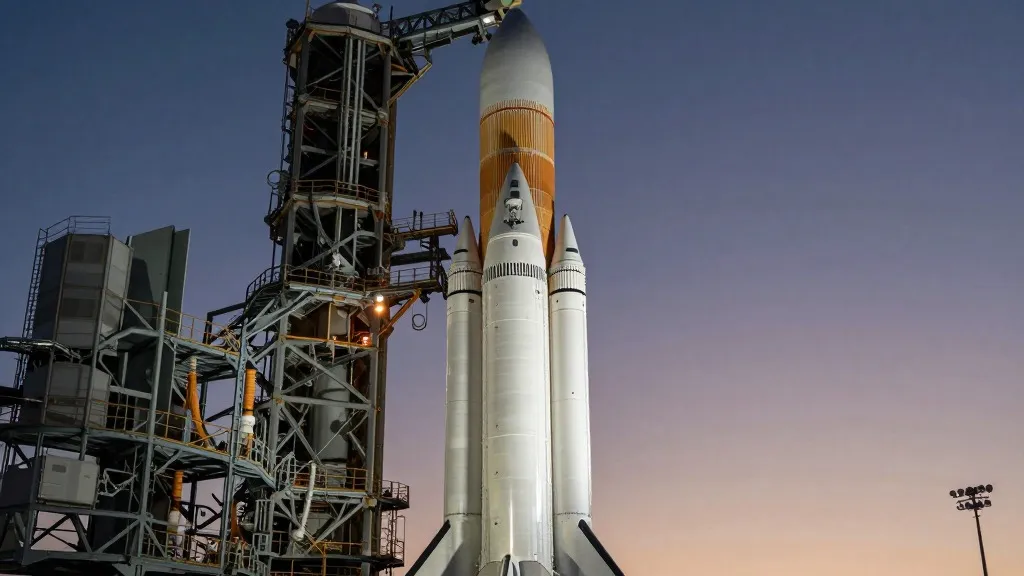
NASA officials have recently circulated a new internal estimate suggesting that twenty-two launches of the SpaceX Starship rocket may be required to support a single crewed lunar landing. This figure represents a significant increase from previous projections and has sparked concern within the agency regarding the feasibility of meeting current Artemis program deadlines. The number reflects the total count of flights needed to deliver enough propellant to a Starship-based lunar lander parked in low-Earth orbit, enabling it to travel to the Moon, land, and return to orbit.
The agency has historically been tight-lipped about this specific metric. NASA does not possess nuclear weapons, yet it guards this launch count with similar secrecy, often treating it as a sensitive operational detail. For years, the standard response from agency leadership has been that the figure is not yet finalized. In 2023, Lisa Watson-Morgan, then the director of the Human Landing System, told Ars Technica that while the agency had a general idea of the number, she was reluctant to state it precisely. She later described the estimate as falling within the range of high single digits to low double digits, implying approximately a dozen launches.
That earlier estimate of a dozen launches was already considered substantial by industry standards. It would have required SpaceX to launch one depot Starship followed by eleven tanker Starships to load the vehicle with liquid oxygen and methane. Other officials at the time cited figures in the high teens. The prevailing hope among stakeholders was that SpaceX would rapidly improve the lift capacity of the Starship rocket, thereby reducing the number of tanker flights necessary to fully fuel the lander for a lunar voyage.
However, growing unease is spreading among some NASA officials who believe these capacity improvements may not arrive soon enough. There is a rising fear that the Starship rocket might not play a meaningful role in returning humans to the Moon within this decade if the propellant transfer requirements remain high. This shift in perspective marks a notable departure from earlier optimism about the vehicle's rapid development trajectory.
The latest estimate surfaced during a quarterly meeting held by the NASA Aerospace Safety Advisory Panel on Thursday. The panel is tasked with providing independent advice on safety matters related to the agency's human spaceflight activities. During the session, Charlie Precourt, a former NASA astronaut and current panel member, discussed various risks associated with the Artemis Program. His remarks highlighted the complexities involved in landing humans on the lunar surface safely.
The move to a higher launch count underscores the logistical challenges inherent in the Artemis architecture. The plan relies on a complex in-orbit refueling process where multiple tanker flights must dock with a central depot. Each of these flights carries a specific payload of propellant, and the total number of flights is directly tied to the mass of the lander and the efficiency of the transfer process. Any inefficiency in this chain requires additional launches to compensate.
SpaceX has been under pressure to demonstrate the reusability and efficiency of its Starship system. The company has argued that as the vehicle matures, the cost and complexity of each launch will decrease, making the high number of flights more manageable. However, the recent NASA estimate suggests that the current version of the rocket may not yet offer the lift capacity improvements that were anticipated by agency planners.
The timing of this revelation is critical. NASA aims to use the Starship system as the primary vehicle for future crewed missions to the Moon. If the number of required launches continues to climb or remains high, the schedule for these missions could be pushed back. This would have cascading effects on the broader Artemis program, which includes the construction of the Gateway station in lunar orbit.
Agency officials are now focused on validating the new estimate through further testing and analysis. The goal is to determine if the twenty-two launch figure is a conservative worst-case scenario or a realistic projection based on current engineering data. Until further clarity is provided, the number remains a key talking point in discussions about the future of U.S. lunar exploration.
Source: Ars Technica